On November 26, the working delegation of Vietnam National University, Hanoi (VNU) led by Assoc. Prof. Dr. Hoang Minh Son, Director of VNU, conducted a field survey in Dak Lak province with Ms. Nguyen Thi Thao, Chairwoman of the Trade Union, representative of VNU Office, and the Director of the Central Institute of Natural Resources and Environmental Studies, Assoc. Prof. Dr. Luu The Anh, as well as representatives and leaders of institutions and agencies such as the Association of Quaternary – Geomorphology, Center for Integrated Interdisciplinary Technology, and experts in engineering geology, landslides, hydrometeorology and monitoring technology of the Hanoi University of Sciences and the University of Technology, VNU.
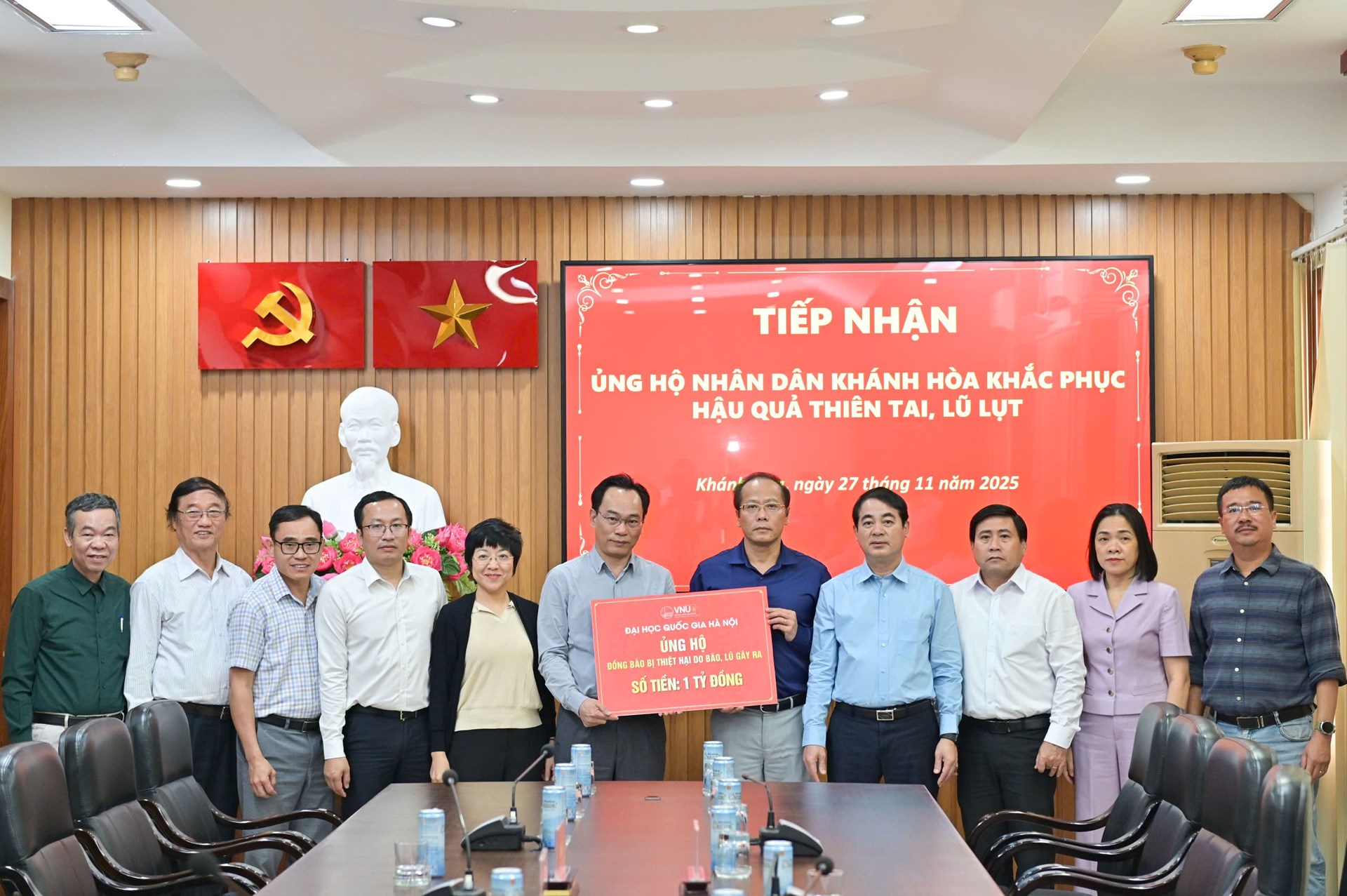
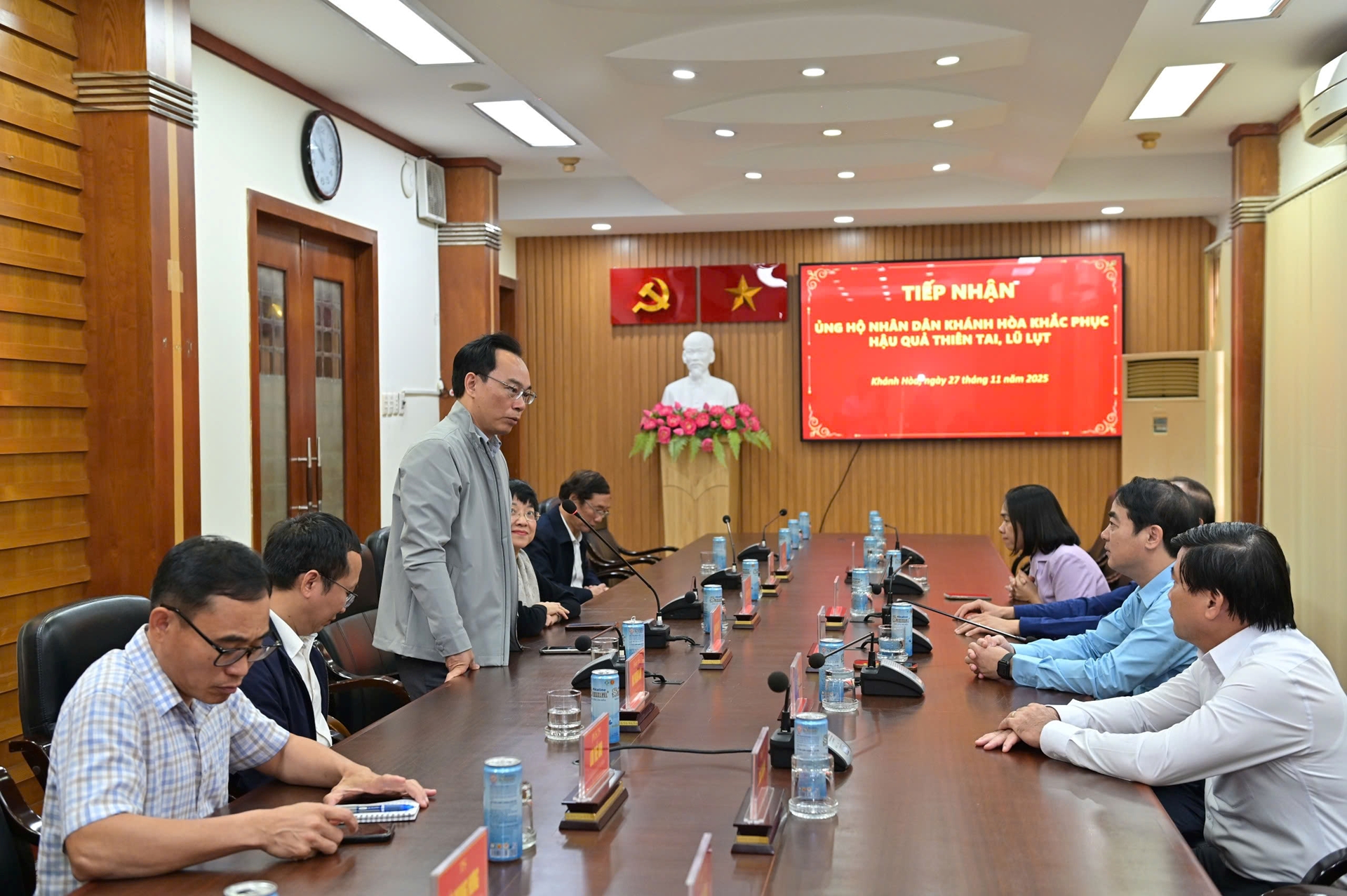
Standing Vice Chairwoman of Dak Lak Provincial People’s Committee Ho Thi Nguyen Thao expressed her gratitude for the timely support of VNU, especially Director Hoang Minh Son and experts who directly surveyed the scene and shared difficulties with the people. At the same time, she hoped that the scientific team of VNU would propose fundamental and feasible solutions to help the locality overcome the consequences of natural disasters in both the short and long term.
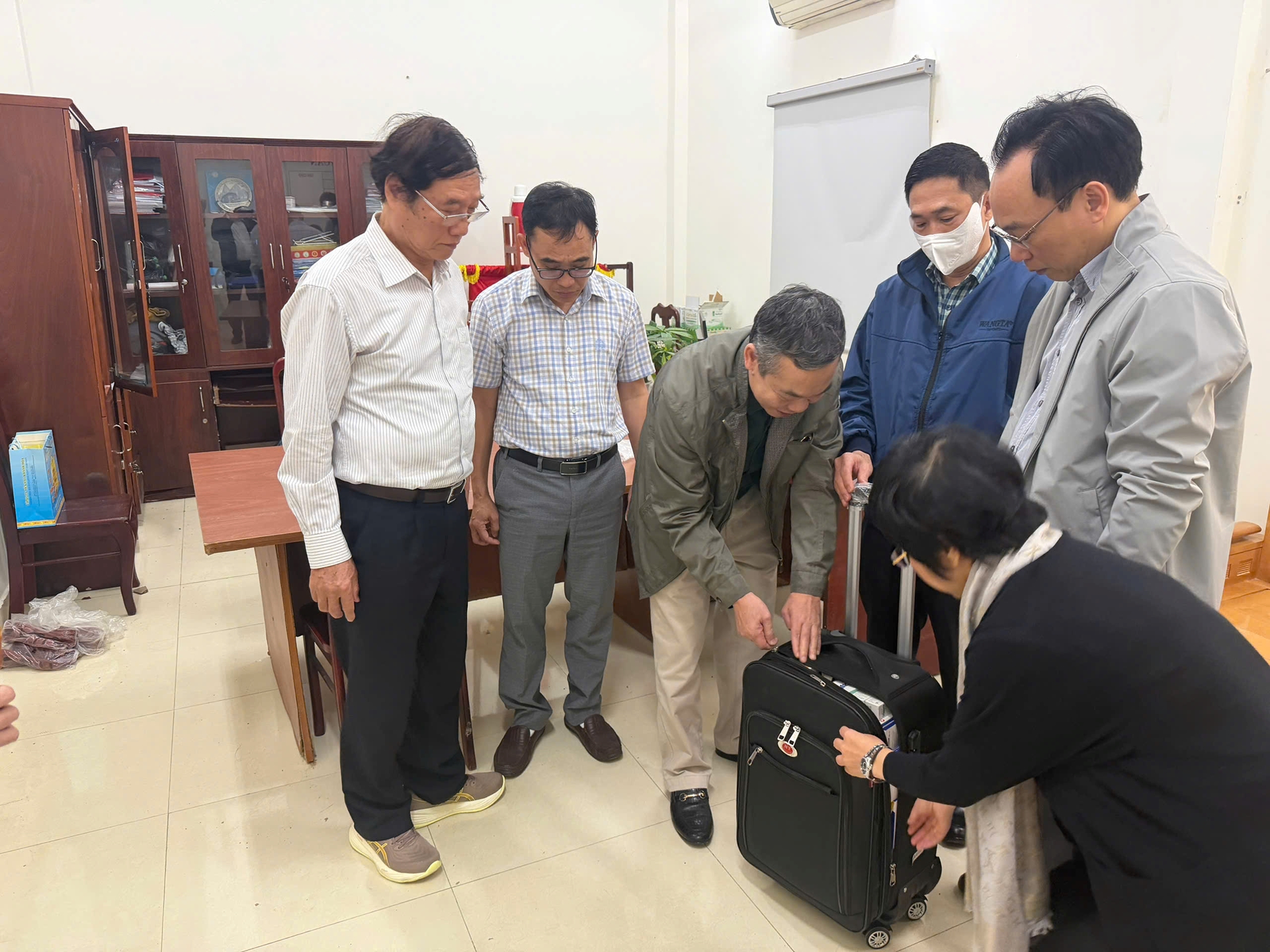
 Next, the delegation visited the Construction University of Central Vietnam – the institution that is coordinating to support Dak Lak and Phu Yen in assessing the post-flood scene. Here, scientists from both sides quickly exchanged initial results, shared data and comments to ensure that the assessment of the causes and consequences of natural disasters is carried out objectively and promptly. The delegation also directly presented emergency aid gifts to people in areas that suffered heavy damage.
During the survey, the delegation inspected the Ba Ha River Hydropower Plant and Dong Cam Dam – two important projects in water flow regulation. Field observations showed that many steep hills showed signs of landslides after prolonged heavy rain; some locations had lost their structure and were at risk of collapse. In neighboring residential areas, large amounts of mud and soil were dumped, causing blockages and putting pressure on the drainage system.
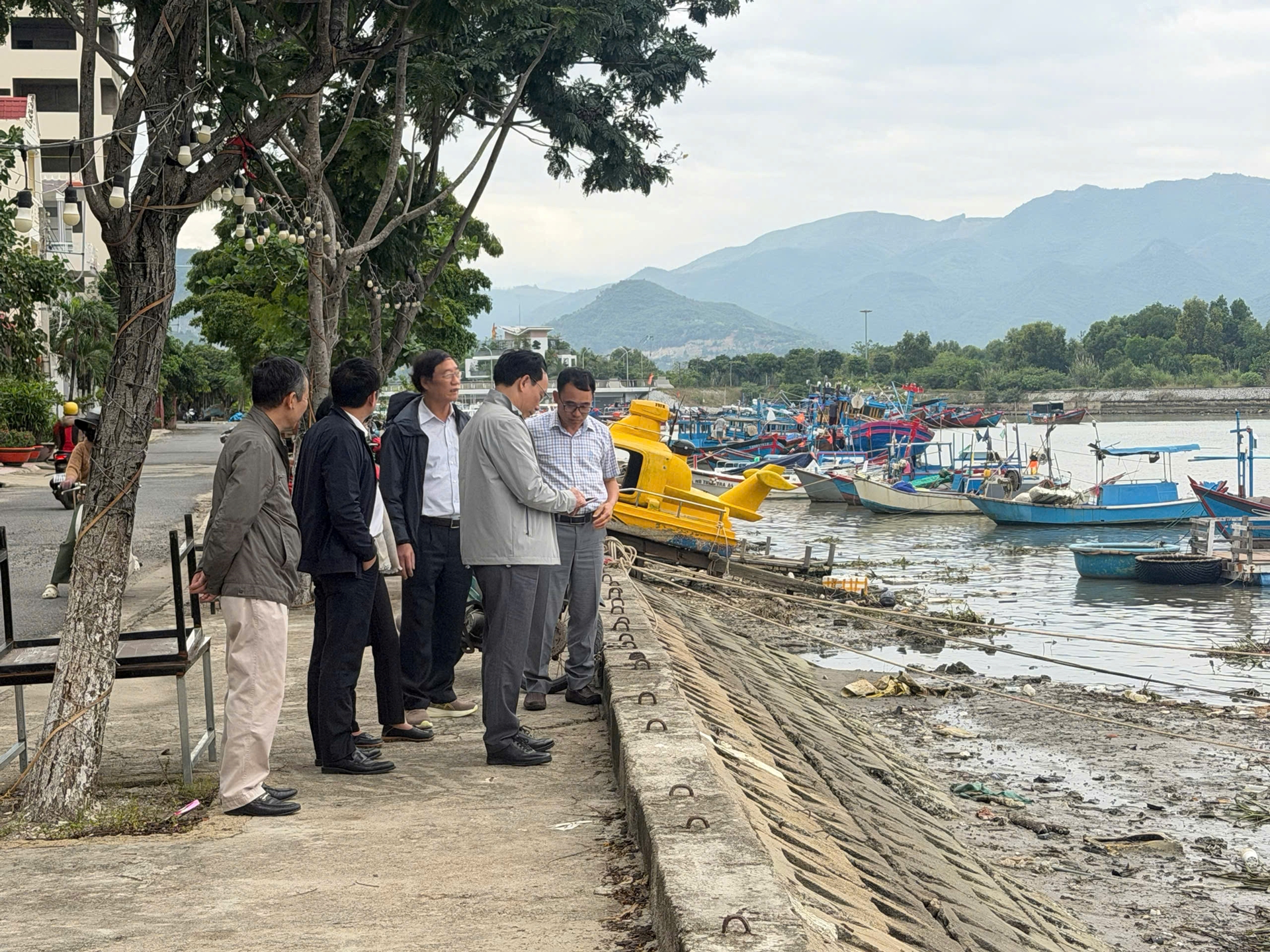
The delegation also surveyed the North-South Expressway section that had been deeply flooded. This is where the flow changed dramatically due to the valley terrain combined with prolonged rain. Experts said that this area needs to be closely monitored for drainage capacity to avoid reoccurrence of deep flooding if more extreme rain occurs.
Director Hoang Minh Son affirmed: The consistent spirit of VNU is “accompanying – sharing – providing practical support”. Relief activities are organized in a compact manner, in order not to create any additional pressure for local authorities, who are focusing on overcoming the consequences; the support must go to the right people, at the right time and according to the right needs.
 The Director recommended that scientists from VNU need to assess and clearly identify the root causes of deep flooding and landslides, including: exceptionally heavy rainfall, terrain, drainage capacity, safety level of irrigation and hydroelectric reservoirs and the impact of infrastructure works. In complex natural disasters, localities need a real-time “situational map” that integrates data on flood levels, number of households to be evacuated, landslide-prone areas, reservoir information and traffic conditions to coordinate effective rescue.